
Preventing falls at home: a practical guide for older people and families
Why falls become more common with age, a room-by-room home safety checklist, and what to do if someone has a fall.
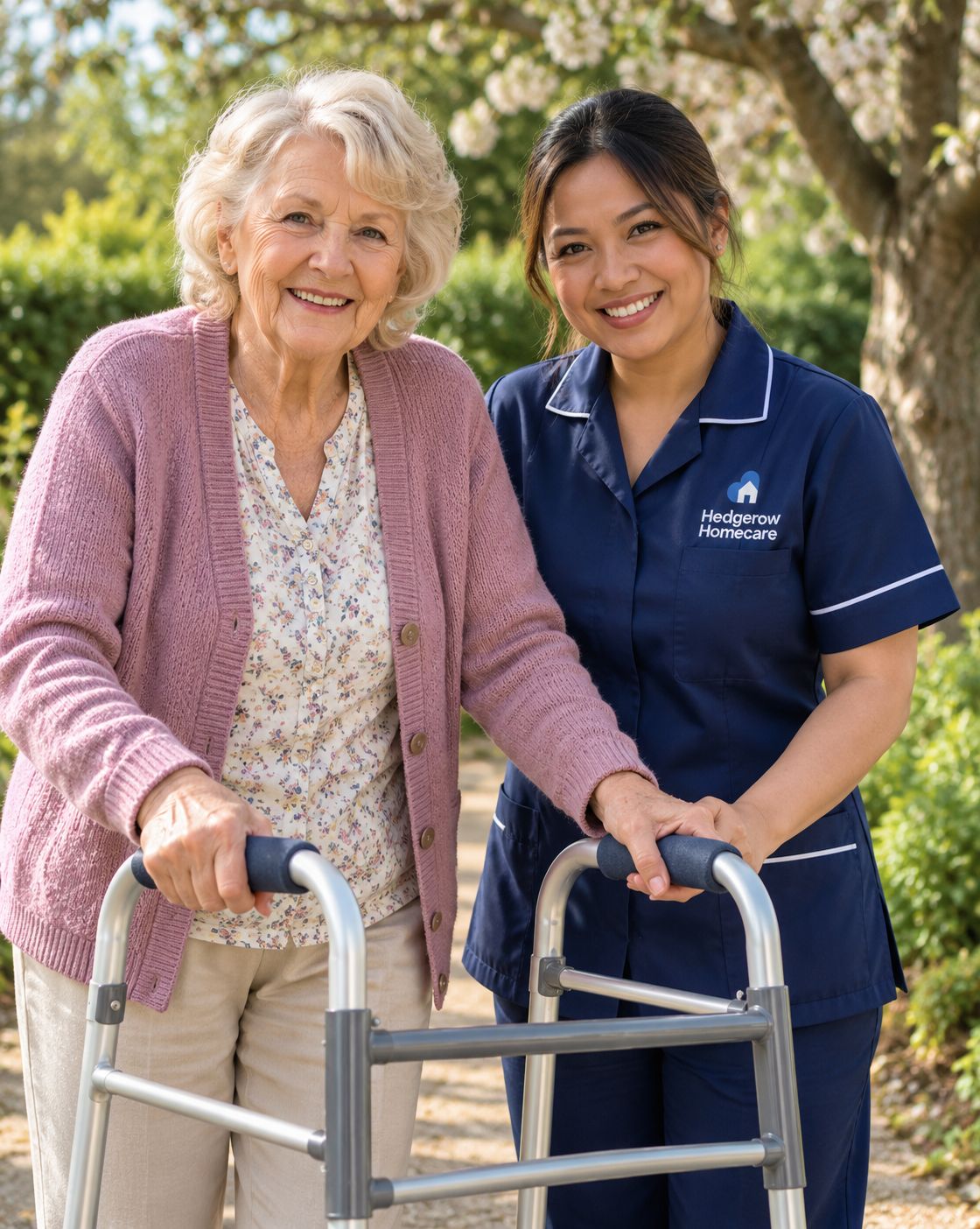
According to the NHS, around one in three adults over 65 who live at home will have at least one fall a year. Most falls don't cause serious injury, but they can shake someone's confidence. Fear of falling often leads people to move less, which weakens muscles and makes another fall more likely. The good news is that many falls can be prevented.
Why falls become more likely as we age
- Weaker muscles and poorer balance, especially after illness or a hospital stay.
- Changes in eyesight, or glasses that need updating.
- Medicines that cause dizziness or drowsiness. Ask the GP or pharmacist for a medication review.
- Low blood pressure when standing up quickly.
- Long-term conditions such as dementia, Parkinson's, arthritis or the effects of a stroke.
- Foot problems or loose, worn slippers.
- Getting up in the night to use the toilet, often in the dark.
A room-by-room home safety checklist
- Clear clutter and trailing cables from floors and stairs
- Remove loose rugs, or secure them firmly
- Fit night lights between the bedroom and bathroom
- Have sturdy handrails on both sides of the stairs
- Fit grab rails by the toilet and bath, and use non-slip mats
- Keep everyday items within easy reach, with no need for step stools
- Wear well-fitting shoes or slippers with a back
- Keep a phone or personal alarm within reach at all times
Staying strong and steady
Regular strength and balance exercises are one of the most effective ways to prevent falls. The NHS has simple exercises for older people that can be done at home. If someone has already fallen, or is worried about falling, ask their GP about a referral to a local falls prevention service.
The local council's adult social care team can arrange an assessment by an occupational therapist, who can recommend equipment and adaptations such as grab rails or a raised toilet seat. Minor adaptations and equipment are often provided free after an assessment.
What to do if someone falls
- 1Stay calmCheck for injuries before trying to move.
- 2Call for help if hurtIf they have hit their head, are in severe pain or can't get up, keep them warm and call 999.
- 3Get up slowly if unhurtRoll onto hands and knees, crawl to a sturdy chair and use it to get up slowly.
- 4Tell the GPEven if there's no injury, a fall can be a sign of an underlying problem.
How home care can help reduce falls
Many falls happen during everyday tasks such as getting out of bed, washing or using the bathroom. Carers can help at those times, encourage gentle activity, make sure walking aids are within reach and spot changes early, such as new unsteadiness or confusion. Every Hedgerow care plan includes a risk assessment that looks at mobility, the home environment and falls. Find out what to expect from a home care assessment.
In winter, icy paths and darker evenings add extra risk. Our guide to keeping warm and well in winter has more cold-weather tips.
Frequently asked questions
How common are falls in older people?
According to the NHS, around one in three adults over 65 who live at home will have at least one fall a year.
Should someone see a GP after a fall?
Yes. Even if they are not injured, a fall can be a sign of an underlying problem, such as a medicine side effect or low blood pressure. The GP can also refer them to a falls prevention service.
Does a fall mean someone has to move into a care home?
Not necessarily. With the right adaptations, exercises and support at home, many people continue to live safely in their own home after a fall.
This guide is general information about care in England and isn't medical, legal or financial advice. Last reviewed 15 October 2026.